Acne clears, then comes back: why?
Why acne recurs, the two stages of treatment and the daily care that makes results last.
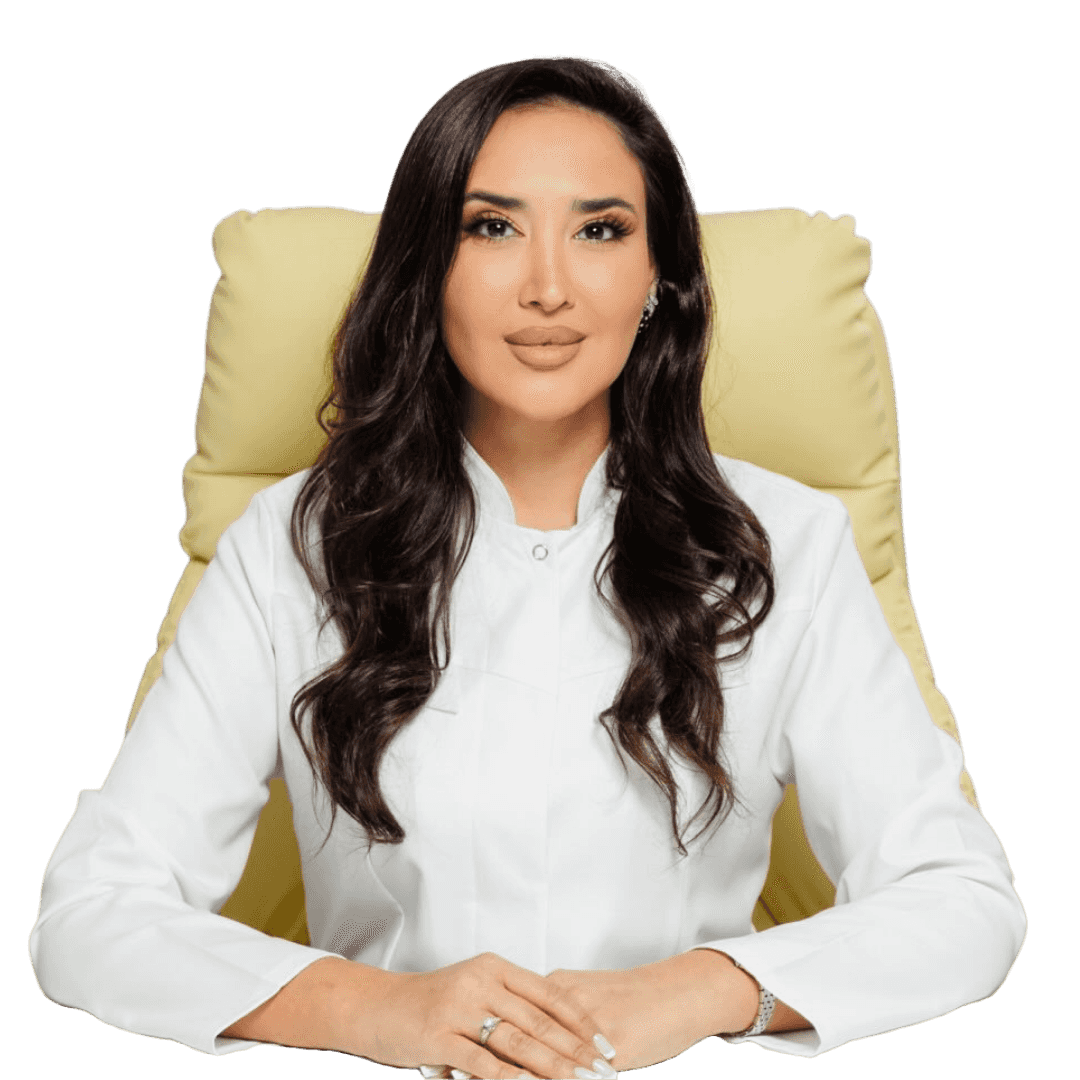
AuthorDr. Sheyla JafarovaDermatovenereologist, aesthetic dermatologist, acne expert
Acne clears, then comes back. I know how exhausting that cycle is. Often, when spots are treated, the visible problem on the surface disappears, but the internal cause behind it remains unresolved. As a result the skin calms down for a while, and then the same problem resurfaces.
Why acne comes back
- Treatment is stopped as soon as results appear, and the maintenance phase is skipped
- A hormonal cause, such as polycystic ovary syndrome, has not been investigated
- Daily skincare dries the skin out or clogs the pores
- Squeezing spots drives the inflammation deeper
- Stress and some medicines, such as corticosteroids
What a lasting result takes
When fighting acne, it is important to consider the overall condition of the skin, not just what shows on the surface. Treatment usually has two stages: first we calm the inflammation, then we move on to maintenance treatment, usually a topical retinoid, that prevents new breakouts.
- Precisely identifying the type and severity of the acne
- Hormonal and other tests when needed
- Simple, sustainable daily care that suits your skin
- Following the result at planned visits
What to watch at home
- Wash your face twice a day with a gentle cleanser
- Oily skin needs moisturising too: choose a product labelled non-comedogenic
- Use SPF every morning: some acne medicines make the skin sensitive to the sun
- If you use a retinoid or benzoyl peroxide, pair it with a moisturiser to reduce irritation
The right tests and a personal approach help make the result last.
Scientific references
The information in this article is based on the following peer-reviewed papers and international clinical guidelines.
- Reynolds, R. V., Yeung, H., Cheng, C. E., et al. (2024). Guidelines of care for the management of acne vulgaris. Journal of the American Academy of Dermatology, 90(5), 1006.e1-1006.e30. [PMID: 38300170] | [DOI: 10.1016/j.jaad.2023.12.017]
- Thiboutot, D. M., Dréno, B., Abanmi, A., et al. (2018). Practical management of acne for clinicians: An international consensus from the Global Alliance to Improve Outcomes in Acne. Journal of the American Academy of Dermatology, 78(2 Suppl 1), S1-S23.e1. [PMID: 29127053] | [DOI: 10.1016/j.jaad.2017.09.078]
- Zaenglein, A. L., Pathy, A. L., Schlosser, B. J., et al. (2016). Guidelines of care for the management of acne vulgaris. Journal of the American Academy of Dermatology, 74(5), 945-973.e33. [PMID: 26897386] | [DOI: 10.1016/j.jaad.2015.12.037]